Hebei Kunchang Chemical Technology Co., Ltd. [email protected]

RDP — Redispersible Polymer Powder

Spray-dried VAE polymer powder that redisperses in water to form a flexible film — turning dry-mix mortar into a polymer-modified system.

CAS No. 24937-78-8 HS Code 3905.29 (CN export 3905290000) EINECS 429-840-1

Turn Mortar into a Polymer-Modified System

When mixed with water, RDP redisperses to form a continuous polymer film within the mortar matrix — delivering the same strengthening effect as a liquid emulsion, with the convenience and shelf life of a dry powder.

Stronger adhesion — reliable bonding even on difficult substrates (concrete, EPS, existing tiles).
Flexibility & crack resistance — absorbs substrate movement and reduces shrinkage cracking.
Better abrasion & impact resistance — longer-lasting surfaces in heavy-use areas.
Lower water absorption — reduced capillary uptake for more durable, hydrophobic mortars.
Extended open time & better rheology — more working time on site, smoother trowel feel.
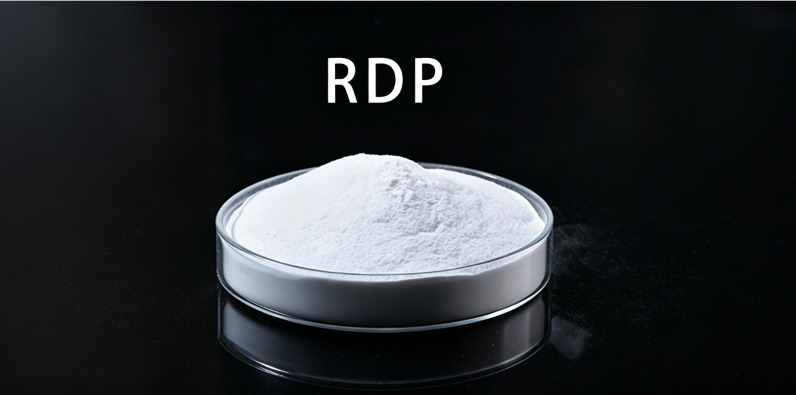
RDP redispersible polymer powder sample
What Is RDP

Composition & Manufacturing Process

Composition

Each RDP granule is an engineered composite of five functional components:

Resinous polymer (core) — vinyl-acetate / ethylene (VAE) copolymer that delivers the film-forming performance.
Internal additive — plasticiser that lowers the film-forming temperature of the polymer.
External additive — performance booster extending flexibility and adhesion.
Protective colloid — polyvinyl alcohol (PVA) wrapped around each granule for redispersibility.
Anti-caking agent — fine mineral filler keeping the powder free-flowing.

Manufacturing Process

Two-step industrial process, fully controlled in-house:

Step 1 — Emulsion polymerisation — monomers (vinyl acetate, ethylene, co-monomers) are polymerised in water to form a stable latex emulsion.
Step 2 — Spray drying — the latex is mixed with protective colloid and additives, then atomised and dried into a free-flowing powder.
VAE is the workhorse chemistry — vinyl-acetate / ethylene co-polymers remain the most widely used polymer system for mortar modification worldwide.
Technical Data

Typical Specifications

PropertyTypical Value
Chemical nameEthylene-vinyl acetate copolymer powder
Polymer typeVAE (vinyl acetate / ethylene copolymer), spray-dried
AppearanceWhite free-flowing powder
Protective colloidPolyvinyl alcohol (PVA)
Solid content97 ~ 99%
Ash content10 ± 2 / 13 ± 2 / 15 ± 2% (per grade)
Bulk density300 ~ 500 g/L
Particle size≥ 80 µm
Film-forming temperature0 ~ 5°C
Glass transition temperature (Tg)-5 ~ +15°C (per grade)
pH (10% aqueous dispersion)7.0 ~ 9.0
Packaging25 kg PP woven bag

Values are typical ranges. Exact per-grade specification sheets are available on request.

Grade Selection

Pick the Right RDP for Your Formula

Two standard grades cover most dry-mix mortar systems. Custom grades and HPMC/RDP blends available on request.

KC-R5011 · Rigid Series

Tile Adhesive & Waterproofing Grade

Higher-Tg film optimised for structural bond strength — ceramic, porcelain and stone tile installation.

  • Strong initial & final bond (C1 – C2 adhesive systems)
  • Improved adhesion on concrete, masonry and existing tiles
  • Compatible with tile adhesive, masonry mortar, self-leveling and waterproofing mortar
KC-F5018 · Flexible Series

Wall Putty & Plaster Grade

Lower-Tg flexible film designed for skim coats, cement plaster, grouts and emulsion-based materials.

  • Smooth trowel feel and crack-resistant putty finish
  • Strong cohesion on gypsum, lime and cement plaster
  • Improved flexibility for cement plaster, wall putty, grout
KC-F5024 · Low-Tg Flexible

Self-Leveling & EIFS Grade

Very low Tg polymer film delivers cold-climate flexibility and weather resistance for demanding exterior systems.

  • High flexibility in cold-climate installations
  • Strong bond to EPS / XPS insulation boards
  • Weather-resistant base & finish coats for EIFS
Performance in Mortar

What RDP Delivers Before & After Cure

Freshly Mixed Mortar

Better flowability — improved workability and pumpability on site.
Stronger thixotropy & sag resistance — holds on vertical surfaces without slump.
Improved cohesion — the mix stays homogeneous, no segregation.
Extended open time & water retention — more working time before skin forms.

Hardened Mortar

Higher tensile strength — better resistance to pull-off forces.
Higher flexural strength — cracks form less easily under bending stress.
Lower modulus of elasticity — more deformable, accommodates substrate movement.
Improved abrasion resistance & cohesion — more durable surface finish.
Reduced water absorption & carbonation depth — better weather and aging resistance.
Applications

Where RDP Works Best

Once mixed with water, RDP redisperses into a polymer film — upgrading cementitious systems from tile adhesive to EIFS and repair mortar.

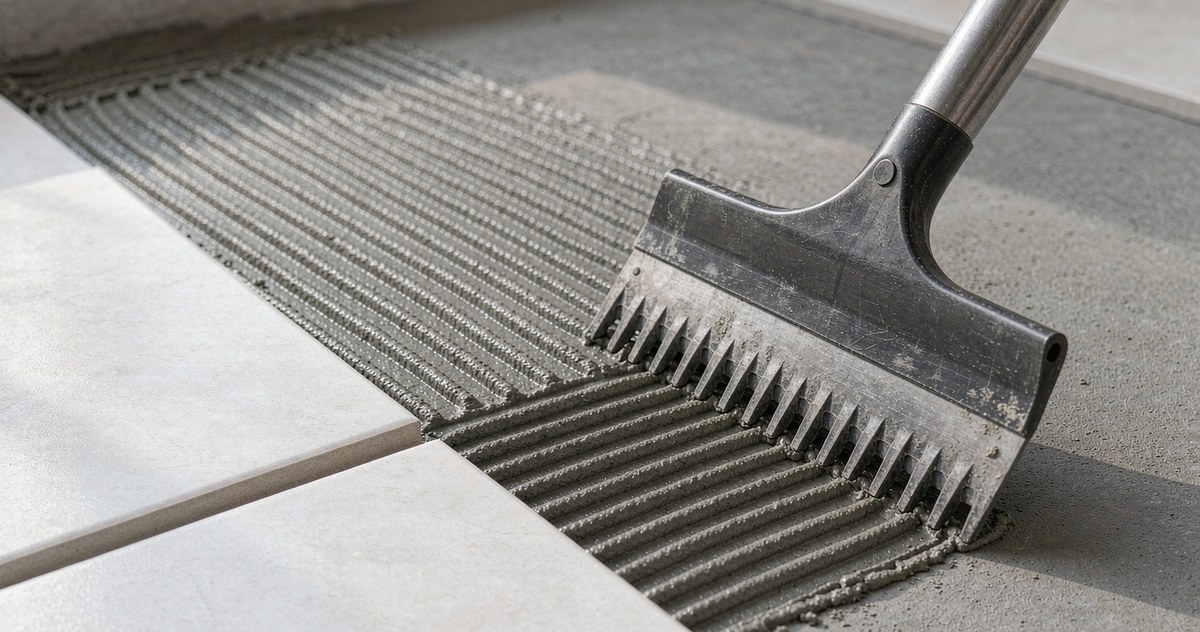
Tile adhesive and joint filler

Tile Adhesive

Flexible, water-resistant bonding for ceramic, porcelain and stone tiles — plus slip-resistant grouts and joint fillers.

Get a quote →
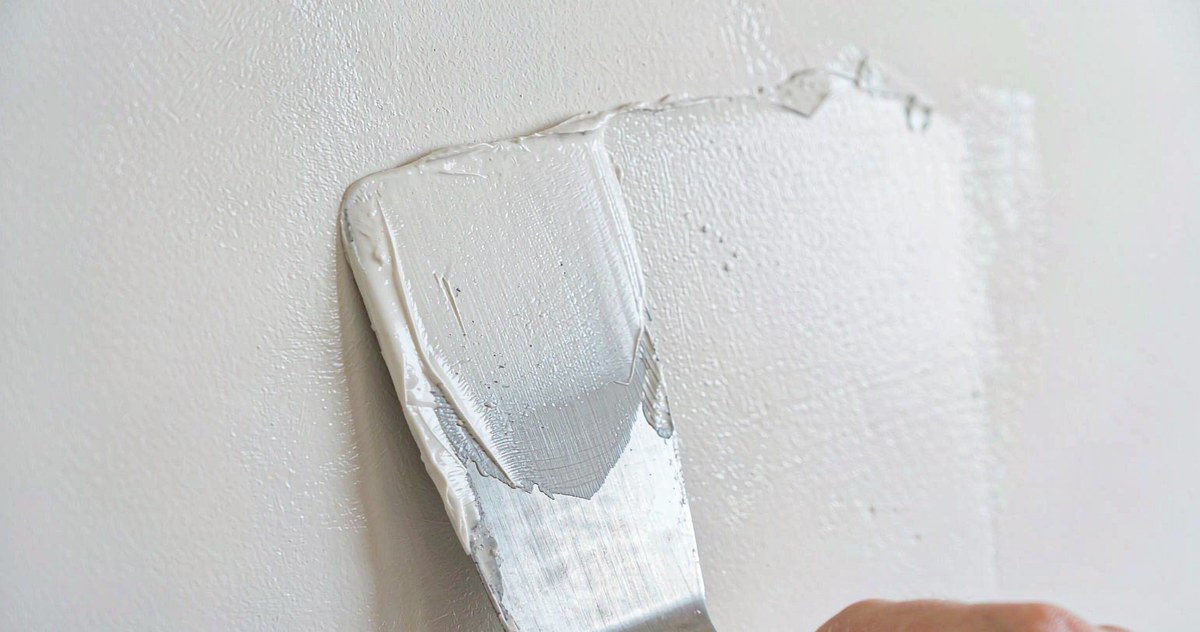
Flexible putty and skim coat

Wall Putty

Crack-resistant interior and exterior putty, flexible skim coats and decorative renders.

Get a quote →
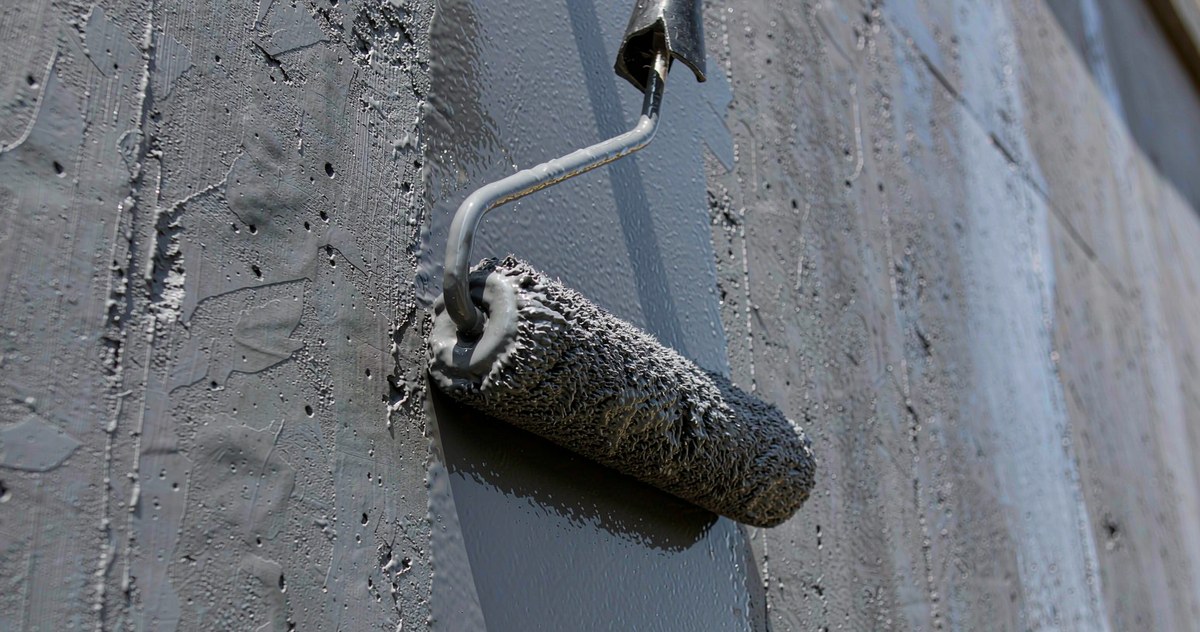
Waterproofing mortar

Waterproofing Mortar

Lower water absorption and higher flexibility for cement-based waterproof coatings and waterproof/anti-seepage mortar.

Get a quote →
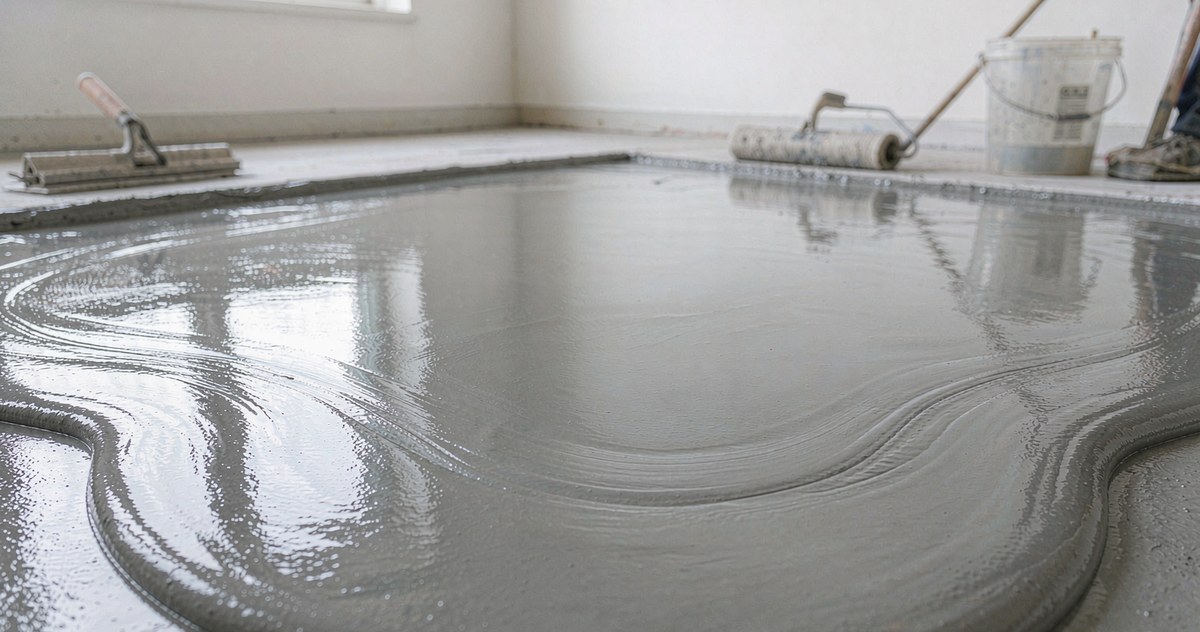
Self-leveling floor application

Self-Leveling Mortar

Flexible, wear-resistant and well-bonded leveling floors for residential and commercial projects.

Get a quote →
EIFS external insulation system

EIFS

Bonding, base coat and finish coat that hold on EPS / XPS boards and survive weather and movement.

Get a quote →

Also used in: repair & non-shrink grout · interface / bonding mortar · gypsum plaster · EPS granule insulation mortar · dry powder coatings.

Request RDP Quotation & Samples

Tell us your target Tg and application — we will recommend the right grade.

Get a Free Quote
WhatsApp